The Psychology of the Impossible
Solving the most difficult puzzles in the world requires more than sharp eyes; it demands an iron will and a refined mental process.
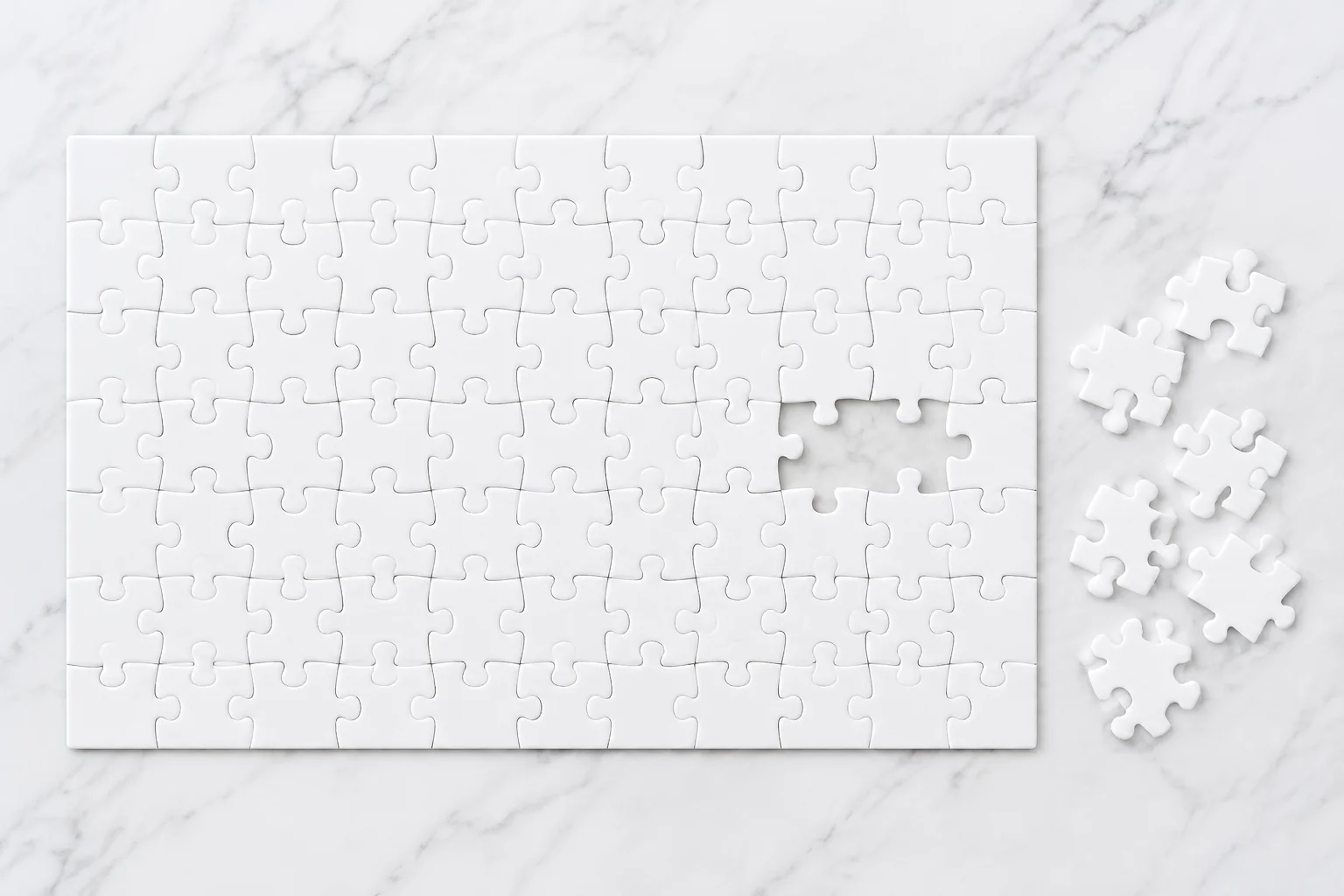
When you strip away vibrant imagery and distinct patterns, you are left with the essence of what makes a puzzle challenging: the physical constraints of the material. A pure white or black jigsaw puzzle, for example, forces the brain to abandon pattern recognition and instead focus on subtle variations in edge geometry.
The satisfaction of completion is measured not by the beauty of the image, but by the relentless discipline required to finish the final piece.
— Puzzle Master Enthusiast
Types of Extreme Challenges
There are distinct categories of puzzles that consistently earn the reputation of being among the world's most difficult.
- Impossible Jigsaw Puzzles: Designs featuring repeating, identical shapes or singular color palettes.
- Mechanical Logic Puzzles: Wooden models with complex interlocking gear systems that must be synchronized perfectly.
- 3D Architectural Puzzles: Models that require structural integrity during the build phase to avoid collapse.
- Minimalist Gradient Challenges: Smooth transitions where each piece is nearly indistinguishable from its neighbor.
Tips for Tackling the Toughest
Success in these endeavors usually comes down to organization. Sorting is your first line of defense against frustration. Even with a monochrome puzzle, grouping pieces by their physical characteristics—such as the number of tabs or the length of the edges—can bring clarity to chaos.
Finally, treat these puzzles as a marathon rather than a sprint. Taking breaks is essential to refresh your perspective. The most difficult puzzles in the world are not meant to be finished in a single sitting, but rather savored over weeks or months of quiet, deliberate progress.

No comments yet. Be the first to leave a comment.
Leave a Comment
Share your thoughts, experiences, or questions about this assembly guide.