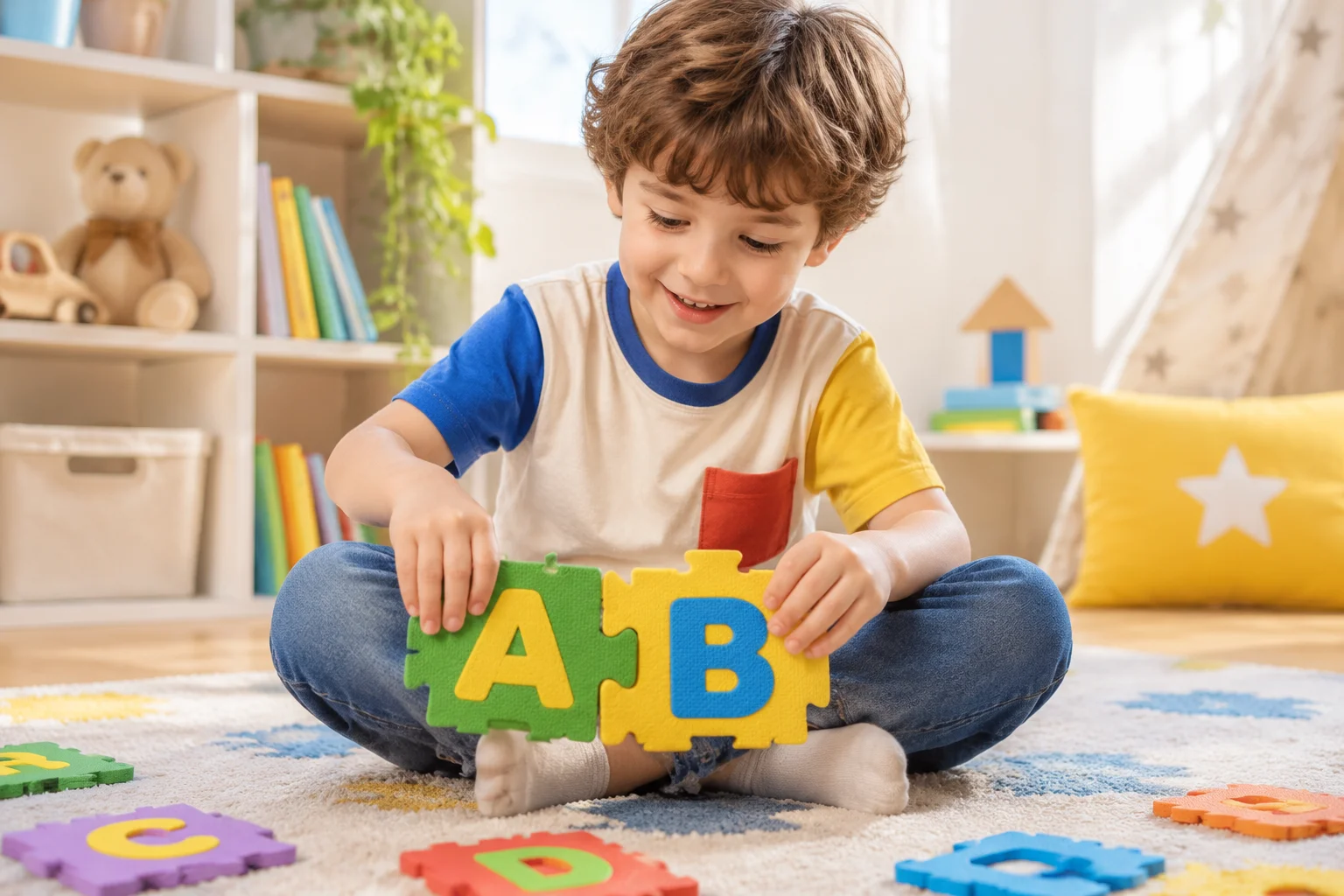
The Foundation of Early Childhood Growth
Many parents view puzzles as simple play, but they are actually robust tools for intellectual enrichment that help children bridge the gap between abstract concepts and physical reality.
When a toddler or young child begins to piece together their first set, they aren't just looking at pictures; they are mentally mapping possibilities, categorizing by color, and testing the physical limits of their environment. This is a foundational exercise in logical deduction and executive function that stays with them throughout their academic journey.
Puzzles are the gym for the young mind. Every piece connected is a neuron forged in the fire of curiosity.
— Early Education Expert
Building Resilience through Play
A key benefit often overlooked is how puzzles teach kids how to handle failure. In a puzzle, a piece that doesn't fit is not a mistake; it is just a signal to try another option. This low-stakes environment builds incredible resilience:
- They learn that persistence leads to successful completion.
- They discover that strategy works better than force.
- They get used to analyzing complex challenges in smaller, manageable parts.
- They develop confidence after seeing a complete image form from scattered segments.
Choosing the Right Challenge
It is vital to select puzzles that match your child's developmental stage. Too easy, and they get bored; too hard, and they feel frustrated. Start with larger, chunky pieces for toddlers, moving toward more complex, themed jigsaws as they grow.
Remember, the goal is not to finish as quickly as possible. The real educational value is found in the time spent evaluating each piece, engaging in the process of discovery, and the shared joy of finding where everything belongs.

No comments yet. Be the first to leave a comment.
Leave a Comment
Share your thoughts, experiences, or questions about this assembly guide.